PROGRAMMES | TRAINING

A Common Minimum Programme

For Physical Education

PROGRAMMES | TRAINING

A Common Minimum Programme

For Physical Education

Introduction

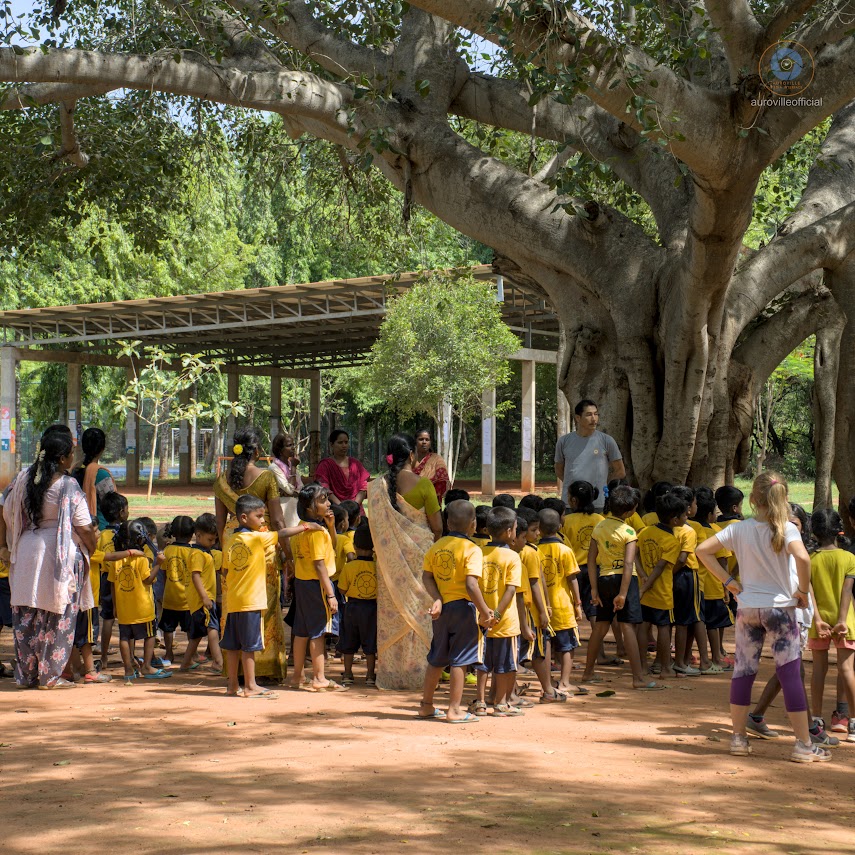
The Common Minimum Programme for Physical Education is founded on the principles of  Integral Yoga and Integral Education as envisioned by Sri Aurobindo and The Mother. The  programme aims to establish a common framework for physical education across all Auroville  schools, ensuring that every student receives systematic and balanced training through physical  activities, games, yoga, athletics, fitness programmes, and collective exercises. 

The programme promotes inclusiveness, collective participation, regular practice, and the  integration of physical culture into daily life. It seeks to foster sportsmanship, self-discipline,  teamwork, endurance, resilience, and conscious body development, thereby contributing to the Integral growth of every student. Through a structured and progressive approach, the  programme encourages students to develop physically, mentally, emotionally, and socially  while cultivating healthy habits and a lifelong appreciation for physical well-being. 

Objectives

The objectives of the Common Minimum Programme for Physical Education are: 

  1. To make physical education and sports an integral part of the daily routine of students  and to ensure active participation in all physical education activities. 
  2. To inculcate healthy habits, positive attitudes, and awareness regarding personal health  and well-being from the school level. 
  3. To develop sportsmanship, integrity, ethical behaviour, self-confidence, and a sense of  pride among students. 
  4. To promote the physical, mental, psychological, social, and emotional well-being of  every student. 
  5. To help students achieve and maintain optimal fitness levels, including agility, power,  speed, reaction or reflex, cardiovascular fitness, muscular strength, muscular  endurance, flexibility, coordination, and balance through regular participation in  physical activities and sports. 
  6. The techniques necessary to become a skillful performer and competitor in different  sports and activities. 
  7. To encourage teamwork, cooperation, mutual respect, and healthy relationships among  students. 
  8. To help students develop self-regulation, concentration, inner peace, relaxation, and  resilience in order to effectively manage stress, strain, and fatigue. 
  9. To provide opportunities for social interaction, community participation, social  cohesion, and the development of leadership and interpersonal skills through  competitions, group activities, and community engagement programmes. 
  10. An ability to perform in different activity – related roles such as attacker, defender,  supporter, supported, referee, leader, captain
  11. To cultivate a positive attitude towards challenges, success, failure, and continuous self improvement. 
  12. To conduct baseline and end-line assessments using standardized fitness parameters  and testing batteries to monitor and evaluate student progress. 
  13. To identify talented students and provide them with appropriate training, guidance, and  opportunities for further development in sports and physical activities. 
  14. To encourage lifelong participation in physical activity and promote a healthy and  active lifestyle beyond the school years. 

Components of the Common Minimum Programme

  1. Co-Operative or major games 
  2. Athletics 
  3. Gymnastics 
  4. Swimming 
  5. Combative or Martial arts 
  6. Yoga 
  7. Recreational or minor games 
  8. Common Fitness Assessment
  9. Competition  
  10. Group Performance & Drills

Note: Major games, athletics, gymnastics, Fitness assessment and swimming shall form an  integral part of the regular physical education curriculum. All student participation is recommended in these activities. 

Suggested Activities for Sports & Games 

Pre-Primary Classes

1st & 2nd Grade

  1. Fundamental Movement Education 
  2. a) Locomotors skills (running, jumping, hopping, galloping etc.)  
  3. b) Manipulative skills (catching, throwing, kicking etc.)  
  4. c) Body management skills (gymnastics, yoga)  
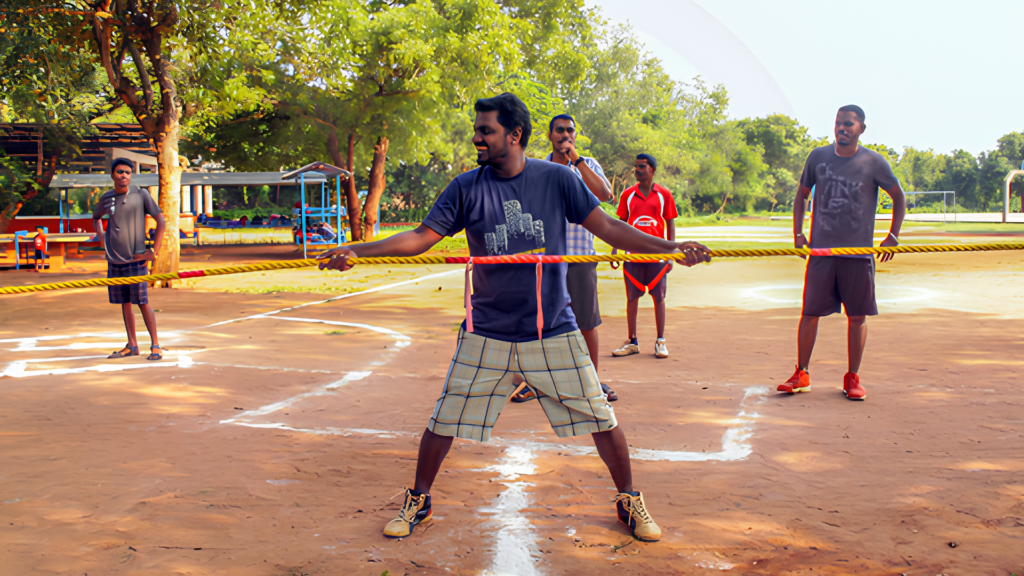
  5. Fun games & modified games
    ∙ Flag game, kho-kho, hopping games, skipping, hula hoop etc. 

Primary Classes

3rd, 4th & 5th

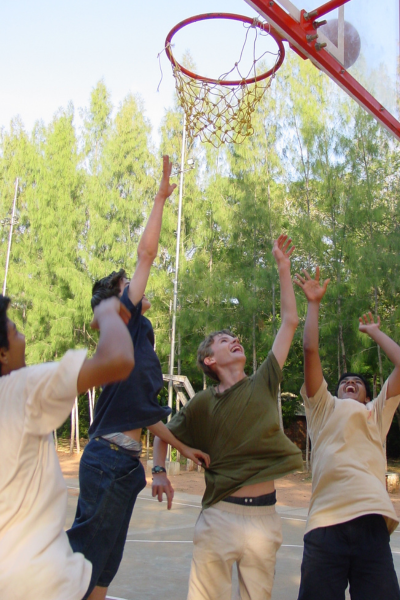
  1. Games (basketball, volley ball, football) 
  2. Recreational games ( kho- kho, b/softball, frisbee, dodgeball, kabbadi, juggling) 
  3. Athletics, Swimming & Gymnastics.
  4. Combative or Martial art (aikido, jodu, Kalari, silambam, etc) 
  5. Yoga & Mallakhamb 

Note: Combative or martial arts, yoga & mallakhamb can be included depending on the  facilities, resources, expertise and time-table. 

Middle Classes

6th,7th& 8th

Additional games or activities along with Primary classes activities 

  1. Additional games (Hand ball, Soft ball, Badminton, Hockey, etc) 
  2. Rock climbing, Weight lifting, etc 

Note: Schools can collaborate with other schools for sharing facilities, coaching expertise and  training opportunities. 

Sri Aurobindo International Institute of Educational Research

What's in a name?

https://www.saiier.org/sri-aurobindo/

Sri Aurobindo

A Force in Action

https://www.saiier.org/international/

International

Auroville and the World
https://www.saiier.org/institute/

Institute

From Near to Far

https://www.saiier.org/education/

Education

Lifelong Learning

https://www.saiier.org/research/

Research

Within and Without